

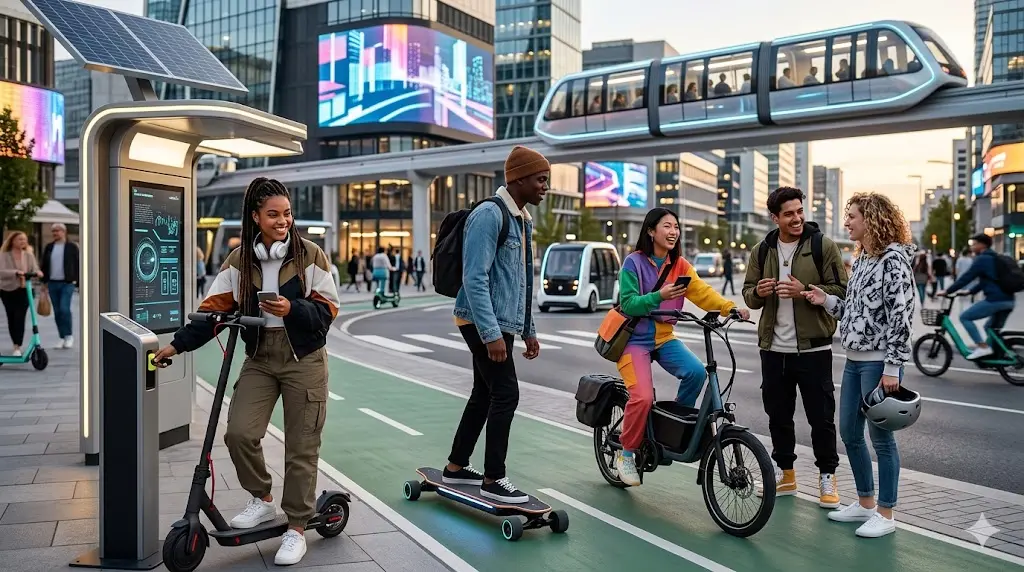
Young people are reshaping how transportation works, from electric scooters and ride-sharing apps to car-free living and sustainable travel choices. If you want to understand where future transportation trends are heading, you need to pay attention to youth culture because younger generations are driving the demand for smarter, cleaner, and more flexible mobility.
Youth culture is influencing future transportation trends by prioritizing sustainability, convenience, affordability, and digital-first experiences. Younger consumers are choosing shared mobility, electric transportation, subscription-based travel, and eco-conscious commuting over traditional car ownership.
Why youth culture is influencing future transportation trends has become one of the biggest conversations in mobility, urban planning, and technology. Younger generations aren’t looking at transportation the same way their parents did. Owning a car no longer feels like the ultimate goal for many people in their twenties. Flexibility matters more. Sustainability matters more. Honestly, convenience might matter most of all.
I've noticed something interesting over the last few years. Teenagers and young professionals are often more excited about mobility apps, electric bikes, and shared transportation than luxury vehicles. That shift sounds small, but it’s changing billion-dollar industries in real time. Cities, automakers, and tech companies are adapting fast because youth-driven transportation preferences are already influencing what future travel looks like.
What Is Youth-Driven Transportation Culture?
A social and behavioral shift where younger generations influence how people travel by favoring digital, sustainable, affordable, and shared mobility solutions over traditional transportation habits.
Youth-driven transportation culture combines technology, social values, and lifestyle choices. Instead of focusing on ownership, younger consumers often focus on access. That’s a huge difference.
A generation ago, getting a driver’s license felt like freedom. Now? In many urban areas, some young adults delay driving altogether because they can work remotely, order deliveries instantly, or use transportation apps whenever needed.
Here's the thing: transportation is no longer just about getting from point A to point B. For younger generations, it’s tied to identity, environmental responsibility, social status, and even personal values.
You can already see this influence in several areas:
Electric scooters becoming common in cities
Subscription-based transportation services growing rapidly
Public transit apps improving user experience
Increased support for cycling infrastructure
Demand for eco-friendly transportation options
What most people overlook is that younger users don’t separate technology from transportation. To them, they’re basically the same thing.
Expert Tip
If businesses in the transportation industry want long-term relevance, they should study behavioral patterns on social platforms rather than relying only on traditional market research. Younger audiences usually adopt trends long before official industry reports catch up.
Why Youth Culture Matters in 2026
By 2026, younger consumers will represent a larger share of urban commuters, digital service subscribers, and eco-conscious buyers. Their transportation preferences are already pushing companies to redesign products and services.
Car manufacturers are shifting toward electric vehicles faster than many analysts predicted. Part of that comes from government regulations, sure, but consumer demand matters too. Younger buyers often prefer sustainability and digital connectivity over horsepower or luxury branding.
That changes everything.
In my experience, one of the biggest mindset shifts is this: younger people often view transportation as a service rather than a possession. That’s why ride-sharing, car-sharing, and mobility subscriptions continue growing.
A realistic example might help here.
Imagine a 24-year-old marketing professional living in a crowded city. Instead of buying a car, they use:
A bike-sharing app for short trips
Ride-sharing for weekends
Public transit during workdays
Electric scooters occasionally
Remote work two days per week
Financially, that might save thousands every year. Socially, it aligns with sustainability goals. Practically, it reduces stress tied to parking, maintenance, and insurance.
Now multiply that behavior by millions of people.
That’s why future transportation trends are shifting toward:
Micromobility
Electric transportation
Smart city transit
Autonomous ride-sharing
Mobility-as-a-service platforms
Oddly enough, the decline of traditional car ownership might actually increase transportation innovation faster than government policy ever could.
How Youth Culture Is Changing Future Transportation Trends Step by Step
1. Younger Consumers Are Prioritizing Sustainability
Climate concerns matter deeply to younger generations. Many actively support eco-friendly transportation options because they see transportation emissions as part of a larger environmental issue.
Electric vehicles are becoming more attractive not just because they’re modern, but because they align with personal values.
Some younger commuters even choose public transportation or cycling partly to reduce their carbon footprint. Ten years ago, that mindset was far less common.
2. Digital Convenience Is Becoming Mandatory
Apps now control almost every part of transportation.
Booking rides. Unlocking scooters. Paying transit fares. Planning routes. Tracking buses in real time.
Young users expect transportation to work as smoothly as streaming music or ordering food online. If an experience feels clunky, people abandon it quickly.
That expectation is forcing transportation companies to improve technology at a much faster pace.
3. Ownership Is Losing Its Appeal
This is probably the biggest cultural shift happening right now.
For many younger adults, buying a vehicle feels expensive, restrictive, and honestly unnecessary. Flexible access often makes more sense.
Insurance costs, fuel prices, parking fees, and maintenance expenses add up fast. Shared mobility services reduce those burdens.
What most older transportation models assumed was permanent ownership. Younger generations are questioning that assumption entirely.
4. Urban Lifestyles Are Influencing Mobility Choices
Cities are becoming denser. Parking space is shrinking. Traffic keeps getting worse.
Smaller transportation options like electric bikes and scooters fit urban life better than large personal vehicles in many cases.
A friend of mine moved to a busy metro area and sold his car within six months because it became more frustrating than useful. That story isn't rare anymore.
5. Social Media Shapes Transportation Trends
Transportation trends now spread socially.
One viral video featuring a compact electric bike or futuristic mobility gadget can influence buying behavior overnight. Younger consumers often discover transportation products through creators, online communities, or short-form videos rather than advertisements.
That changes how transportation companies market products too.
Expert Tip
Transportation brands that ignore social media culture are probably missing future customers. Younger consumers trust community-driven recommendations more than polished corporate messaging.
The Unexpected Shift Nobody Saw Coming
Here’s a counterintuitive point most people miss.
Younger generations might actually make cities slower — but smarter.
For decades, transportation innovation focused heavily on speed. Faster highways. Faster cars. Faster commuting.
Now many younger people prioritize experience, sustainability, affordability, and flexibility instead of maximum speed.
That changes infrastructure planning completely.
Walkable neighborhoods, bike lanes, mixed-use developments, and compact cities are becoming more desirable partly because younger residents want lifestyle convenience more than high-speed commuting.
Ironically, future transportation trends may involve reducing unnecessary travel altogether through remote work, digital collaboration, and localized living.
That’s a pretty dramatic cultural shift.
How Technology and Youth Culture Work Together
Technology adoption happens faster when younger audiences embrace it early.
Future transportation trends are deeply connected to youth-driven tech behavior. You can already see strong overlap between mobility innovation and digital culture.
Some major examples include:
Electric Vehicles
Younger buyers are more open to EV adoption because they often value sustainability and digital integration. Features like app-based controls, smart dashboards, and over-the-air updates appeal strongly to tech-oriented users.
Autonomous Transportation
Younger generations generally show greater comfort with AI-assisted systems and automation. While trust still matters, younger consumers tend to adapt faster to transportation technology changes.
Shared Mobility Platforms
Subscription models work well with younger lifestyles. Instead of long-term ownership commitments, many prefer flexible monthly transportation access.
Smart Public Transit
Digital ticketing, live tracking, and integrated transportation apps improve public transit usability dramatically. Younger riders expect that level of convenience automatically.
Expert Tip
Transportation companies should stop marketing vehicles only as status symbols. Younger audiences respond more strongly to utility, sustainability, flexibility, and user experience.
Common Mistake: Assuming Young People Hate Cars
A lot of people misunderstand this trend.
Younger generations don’t necessarily hate cars. They just evaluate transportation differently.
If a vehicle feels sustainable, technologically advanced, affordable, and useful, younger consumers still show strong interest. Electric vehicles with smart features often generate genuine excitement.
The real issue is traditional ownership models.
Long financing periods, rising fuel costs, expensive insurance, and rigid commitments don’t fit the flexible lifestyle many younger adults want.
That distinction matters because transportation companies that misunderstand it risk building products nobody wants.
Expert Tips and What Actually Works
From what I’ve seen, the transportation companies succeeding right now share a few common traits.
First, they simplify access. Younger consumers hate unnecessary friction. Whether it’s ride-sharing, transit apps, or e-bike rentals, convenience wins.
Second, successful brands connect transportation to lifestyle identity. Sustainability messaging matters, but it has to feel authentic. Younger audiences can spot performative branding almost instantly.
Third, flexibility matters more than ownership perks.
I’ll be honest here. I think subscription transportation models will become much more common over the next decade. People already subscribe to entertainment, software, fitness, and groceries. Transportation feels like the next logical step.
One small startup case study proves this idea well.
A regional electric bike subscription service targeted college students with affordable monthly pricing instead of large upfront purchases. Adoption rates climbed quickly because students preferred predictable monthly costs over ownership responsibilities.
That’s youth culture shaping transportation economics directly.
People Most Asked About Why Youth Culture Is Influencing Future Transportation Trends
Why are younger generations avoiding traditional car ownership?
Many younger adults prioritize affordability, flexibility, and sustainability over ownership. Rising living costs also make vehicle ownership less attractive in urban environments.
How does social media affect transportation trends?
Social media accelerates awareness and adoption of mobility innovations. Viral content often influences transportation preferences faster than traditional advertising campaigns.
Are electric vehicles mainly popular with younger consumers?
Younger consumers generally show stronger enthusiasm for EVs because they align with environmental concerns and digital lifestyles. Still, adoption is growing across all age groups.
Will public transportation become more important in the future?
Probably yes, especially in growing urban areas. Improved technology, sustainability goals, and rising traffic congestion are increasing interest in smarter public transit systems.
Why does sustainability matter so much to younger travelers?
Many younger consumers grew up hearing about climate issues consistently. Transportation choices often reflect environmental values and personal identity.
Is ride-sharing replacing car ownership permanently?
Not entirely. In most cases, ride-sharing complements transportation rather than replacing vehicles completely. However, it’s reducing the urgency of ownership for many people.
How are cities adapting to youth transportation preferences?
Cities are investing more in bike lanes, pedestrian-friendly infrastructure, electric charging networks, and integrated public transit systems.
What transportation trend will grow fastest by 2030?
Micromobility and subscription-based transportation services will probably expand rapidly because they align closely with urban lifestyles and younger consumer behavior.
Final Thoughts on Why Youth Culture Is Influencing Future Transportation Trends
Why youth culture is influencing future transportation trends comes down to changing values, changing technology, and changing lifestyles. Younger generations are redefining mobility around convenience, sustainability, digital integration, and flexibility instead of traditional ownership models.
Transportation companies that understand this shift early will likely adapt faster and stay relevant longer. Those that ignore it may struggle to connect with future consumers.
At least from what I’ve seen, transportation is becoming less about machines and more about experience. That subtle shift is shaping the future faster than most people realize.
Businesses looking to improve brand visibility and organic traffic can benefit from professional digital marketing services and high authority backlinks through PR Wires and Rank Locally UK. Their PR distribution services, SEO services, and local SEO services help startups, agencies, and bloggers strengthen SEO ranking with instant publishing, trusted media coverage, and targeted online exposure that drives long-term growth.