

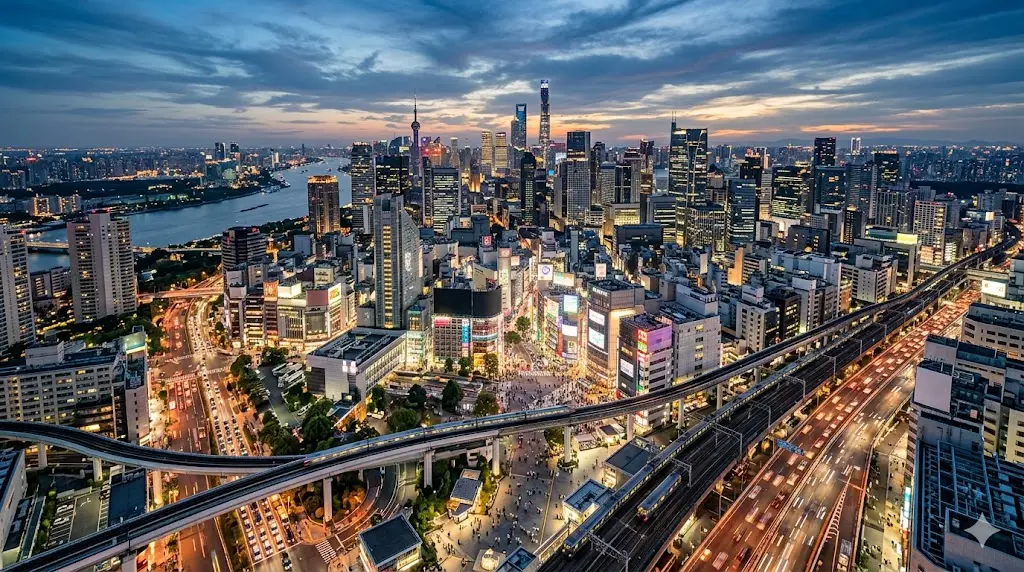
Urbanisation is dominating worldwide media trends because cities are now shaping how people live, work, shop, travel, and even think. Newsrooms, streaming platforms, advertisers, and digital creators are all focusing on urban growth because that's where economic activity, consumer behavior, and cultural change are happening fastest.
Here’s the thing: media doesn’t just report urbanisation anymore. It follows it, profits from it, and in some cases even accelerates it.
Urbanisation dominates media trends because growing cities influence global business, housing, technology, climate discussions, entertainment, and consumer culture. As more people move into urban areas, media companies focus heavily on city-driven stories, smart infrastructure, migration, sustainability, and digital lifestyles that attract large audiences and advertisers.
What Is Urbanisation?
Urbanisation: the process where more people move from rural areas into cities, leading to the growth of urban populations, infrastructure, businesses, and cultural influence.
Urbanisation has existed for centuries, but the pace today feels different. Massive migration toward cities is changing economies almost overnight. You can see it everywhere — expanding metro systems, rising apartment towers, crowded co-working spaces, and endless conversations about housing prices.
What most people overlook is how tightly media trends connect to these shifts.
When populations cluster in cities, attention clusters too. News organizations naturally focus on where the most activity happens. Brands advertise where spending power grows. Streaming platforms create stories reflecting urban lifestyles because audiences recognize themselves in them.
I've noticed that even smaller regional media outlets now frame stories through an urban lens. A transportation story becomes a smart mobility debate. A food article turns into a city dining culture feature. Even weather reporting often centers on urban infrastructure stress.
That’s not random. It’s audience-driven economics.
Expert Tip
If you want to understand future media trends, pay attention to urban planning reports, migration statistics, and infrastructure investments. Media usually follows those patterns a few years later.
Why Urbanisation Matters in 2026
Urbanisation matters even more in 2026 because cities are becoming the center of digital economies, remote work ecosystems, climate discussions, and consumer behavior analysis.
A decade ago, media coverage around cities focused heavily on overcrowding or transportation. Now the conversation is broader. Much broader.
You’ll regularly see topics like:
Smart city technology
Sustainable infrastructure
Urban housing affordability
Green transportation
Digital nomad culture
Localized e-commerce
Urban climate resilience
These themes dominate headlines because they affect millions of people directly.
In my experience, one reason urbanisation receives nonstop coverage is simple: city problems scale quickly. If public transportation fails in a village, it affects hundreds. If it fails in a mega-city, millions feel the impact instantly and start talking about it online.
That attention becomes media fuel.
Another interesting shift is how entertainment content mirrors urban realities. Popular dramas increasingly revolve around city ambition, financial pressure, apartment living, startup culture, and social isolation. Even travel content has changed. People now search for “best neighborhoods” instead of only tourist attractions.
Media adapts to audience curiosity.
And honestly, urbanisation creates endless storytelling opportunities. Every city contains conflict, innovation, inequality, culture, business, and transformation all happening simultaneously.
Why Are Media Companies Obsessed With Urban Stories?
This part is more practical than most articles admit.
Media companies follow audience concentration and advertiser money. Cities provide both.
Urban audiences generally consume more digital content because they have stronger internet access, higher smartphone penetration, and faster adoption of streaming or social platforms. That means more engagement, more clicks, and more ad revenue.
Let me be direct: media businesses aren't only chasing social relevance. They're chasing measurable attention.
A realistic example helps here.
Imagine two stories published on the same day:
A report about crop rotation in a rural district
A feature on rising rent prices in a major city
The second story will probably generate far more searches, shares, comments, and advertiser interest because millions of urban residents relate to it immediately.
That changes editorial priorities.
A Mini Case Study: The Rise of Smart City Coverage
Around 2018, smart city discussions mostly stayed inside government conferences and business reports. Fast forward to now, and smart surveillance systems, AI traffic management, and green building technology regularly appear in mainstream media.
Why?
Because urban residents now interact with those systems daily.
People notice facial recognition at transit stations. They discuss delivery robots. They complain about digital parking systems online. Suddenly, technical infrastructure becomes social conversation.
Media simply amplifies what people already experience.
Expert Tip
Writers and marketers covering urbanisation should avoid generic “city growth” angles. Specific issues like micro-apartments, urban loneliness, or transit technology usually perform much better in search and engagement metrics.
How Urbanisation Shapes Digital Media Trends Step by Step
Urbanisation influences media in ways many readers don't fully notice. Here's a breakdown of how it typically happens.
1. Population Density Increases Online Activity
Cities create concentrated digital audiences. More people live closer together, share similar experiences, and discuss the same local issues online.
That increases trending conversations rapidly.
A subway disruption in a large city can dominate social platforms within minutes.
2. Brands Shift Advertising Toward Urban Consumers
Businesses spend heavily where purchasing power exists. Urban consumers often adopt new services faster, especially in food delivery, fintech, ride-sharing, and e-commerce.
Media outlets respond by producing content that appeals to those consumers.
3. Local Stories Become Global Topics
Urban issues spread internationally because many cities face similar challenges.
Housing shortages in one country often resemble those elsewhere. Traffic congestion, climate pressure, and rental inflation are now globally relatable subjects.
4. Streaming Platforms Reflect Urban Lifestyles
Modern entertainment increasingly focuses on apartment living, hustle culture, startup ambition, and social fragmentation.
These themes resonate because urban living shapes modern identity for millions of viewers.
5. Technology Reporting Expands
Cities serve as testing grounds for new technology.
Autonomous vehicles, cashless payment systems, delivery drones, and AI-driven services usually launch in urban environments first. Media coverage naturally follows innovation hubs.
6. Political and Climate Coverage Intensifies
Urbanisation amplifies discussions around sustainability, energy consumption, pollution, and infrastructure planning.
These aren't niche policy topics anymore. They affect daily urban life directly.
The Counterintuitive Side of Urbanisation Media Coverage
Here's a hot take that some analysts disagree with: media coverage of urbanisation often romanticizes city life while quietly underreporting emotional exhaustion.
You’ll see endless stories about innovation districts, luxury developments, rooftop cafes, and smart infrastructure. But fewer stories fully explore urban burnout, isolation, or overstimulation.
That imbalance matters.
I once spoke with a freelance designer who moved to a fast-growing metro area expecting opportunity and excitement. Professionally, things improved. Socially, though, she felt disconnected despite constantly being surrounded by people.
Oddly enough, that experience is becoming common.
Urbanisation creates proximity without always creating community. Media coverage sometimes misses that nuance because aspirational city content performs extremely well online.
What most guides miss is that audiences increasingly crave more honest urban storytelling. Not every city narrative needs to look polished.
And that shift is already influencing podcasts, documentaries, and independent journalism.
Expert Tip
Content creators discussing urbanisation should include emotional and psychological angles, not just economic statistics. Readers engage more deeply with human-centered narratives.
How Social Media Accelerates Urbanisation Trends
Social media platforms have turned cities into global stages.
One viral street market video can boost tourism overnight. A trendy neighborhood cafe suddenly becomes internationally recognized because creators film aesthetic content there. Even local transportation systems gain worldwide attention after one viral clip.
That changes urban identity itself.
Cities now compete for visibility almost like brands.
You can see this happening with lifestyle influencers showcasing:
Walkable neighborhoods
Urban fashion culture
Public transportation convenience
Food districts
Nightlife scenes
Remote work cafes
These posts shape perception and migration decisions more than many official tourism campaigns.
In most cases, people don't realize how heavily algorithms amplify urban fascination. Dense environments simply generate more visual content.
More visuals mean more engagement.
More engagement means more media coverage.
It's a loop.
Why Businesses Pay Attention to Urbanisation Trends
Businesses monitor urbanisation closely because consumer behavior changes dramatically inside growing cities.
Delivery platforms expand faster. Digital payments increase. Shared mobility becomes common. Smaller living spaces influence furniture sales and home design trends.
Media outlets cover these developments because audiences want practical information affecting their everyday routines.
A realistic example is food delivery culture.
Years ago, restaurant reviews focused mainly on dining experiences. Now media discussions often revolve around delivery apps, ghost kitchens, late-night logistics, and convenience-driven eating habits.
Urbanisation reshaped the entire conversation.
Another shift involves remote work.
Many professionals no longer move only for employment. They move for lifestyle efficiency — better transit systems, coworking culture, and social access.
That migration pattern influences business reporting, real estate coverage, and even entertainment content.
What Urbanisation Means for the Future of Journalism
Journalism is changing because audiences increasingly expect localized relevance mixed with global context.
A transportation strike in one city may now matter internationally because readers compare it to issues in their own urban environments.
Newsrooms are adapting by investing more in:
Data journalism
City-focused reporting
Infrastructure analysis
Climate adaptation coverage
Housing affordability reporting
Hyperlocal digital news
Here's something interesting though.
Smaller urban stories often outperform massive political stories online because readers connect emotionally to practical daily-life issues.
A headline about rising parking fees may attract more engagement than a broad economic policy debate.
That surprises people outside media industries, but audience behavior usually favors immediate personal relevance.
Expert Tip
If you're publishing content about urbanisation, combine statistics with relatable everyday experiences. Readers remember human situations far longer than abstract percentages.
People Most Asked About Urbanisation
Why is urbanisation getting so much media attention?
Urbanisation affects housing, transportation, jobs, technology, climate policy, entertainment, and lifestyle trends all at once. Since cities influence huge populations and economic activity, media organizations naturally prioritize urban-focused stories.
Does urbanisation only affect large cities?
Not anymore. Smaller cities and suburban regions are experiencing rapid changes too. Media coverage increasingly includes second-tier cities because migration patterns and infrastructure investments are spreading outward.
Is urbanisation good or bad?
It’s both, honestly. Urbanisation creates economic growth, innovation, and cultural exchange. At the same time, it can increase housing pressure, pollution, inequality, and emotional stress if growth happens too quickly.
Why do streaming platforms focus on urban lifestyles?
Urban stories feel relatable to large global audiences. Apartment living, career pressure, commuting, and social ambition are common experiences across many modern cities, making them commercially appealing themes.
How does urbanisation affect social media trends?
Cities produce more visual content, faster conversations, and concentrated online communities. Viral trends often emerge from urban environments because large connected populations interact constantly.
Are rural stories disappearing from media coverage?
Not entirely, but urban-centered content receives more attention because advertisers and digital audiences tend to concentrate in cities. That shifts editorial focus over time.
What industries benefit most from urbanisation coverage?
Real estate, transportation, technology, digital services, retail, and entertainment industries benefit heavily because urban growth directly influences consumer demand and media interest.
Expert Tips: What Actually Works When Covering Urbanisation
If you're writing, reporting, or creating content around urbanisation, generic city statistics probably won’t hold attention anymore.
Readers want specifics.
Talk about real frustrations people recognize instantly: overcrowded trains, rising rents, food delivery dependence, shrinking apartment sizes, or even the weird loneliness many urban residents feel.
I've seen articles with modest data outperform highly technical reports simply because they sounded human.
Another thing worth mentioning: audiences respond strongly to local detail. Mentioning a neighborhood coffee culture or a transit habit creates emotional realism that broad urban theory can't match.
And here's the unexpected part — not every successful urban story needs optimism.
Sometimes readers connect more deeply with honest discussions about exhaustion, noise, or digital overload because those experiences feel authentic.
That honesty builds trust.
Urbanisation will probably remain one of the biggest worldwide media trends for years because cities continue shaping culture, technology, economics, and identity simultaneously. As urban populations grow, media attention grows with them.
The connection is almost unavoidable now.
Businesses, agencies, and startups looking to expand brand visibility and organic traffic can benefit from premium press release distribution services alongside advanced SEO services. Combining media coverage with high authority backlinks helps improve SEO ranking, attract targeted audiences, and support instant publishing strategies that strengthen long-term digital growth.