

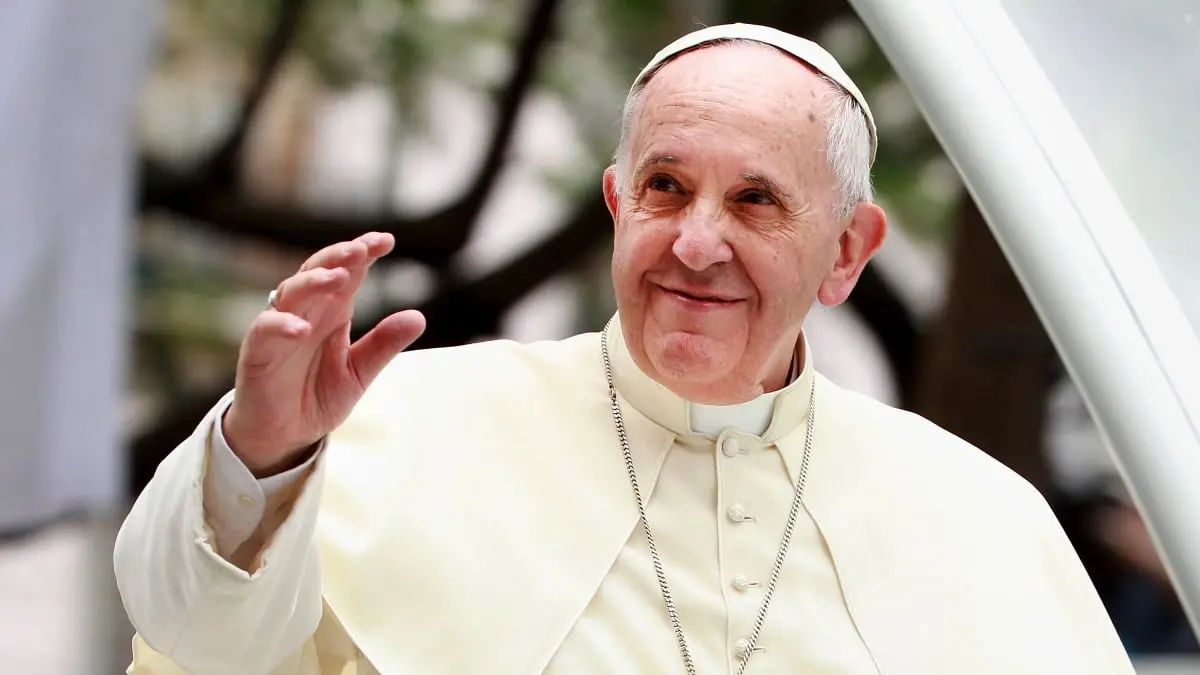
Pope Francis, the head of the Catholic Church and the first Latin American pontiff, passed away on Easter Monday at the age of 88. Known for his progressive ideals within a traditionally conservative institution, he advocated for social and economic justice throughout his papacy. In the weeks before his death, he shared an important and forward-thinking message about new technology—a warning that resonates even more deeply in the wake of his passing.
"How I would like for us to look less at screens and look each other in the eyes more!" Pope Francis said in an official video message translated from his native Spanish. "Something's wrong if we spend more time on our cell phones than with people." The prayer concerning technology was uploaded just three weeks before his passing.
The Pope's Monthly Intentions and April’s Focus on Technology
Pope Francis's message was part of his "Monthly Intentions" program for 2025. Each month, he set a specific prayer intention, inviting Catholics and people around the world to join him in prayer on a particular topic. April’s intention, the final monthly intention before his death, was focused on new technology. The intention and related reflections posted to the Pope's Worldwide Prayer Network specifically mentioned artificial intelligence, video calls, smartphones, and screen time in general.
"It's true, technology is the fruit of the intelligence God gave us but we need to use it well," Pope Francis said in his April video address. "It can't benefit only a few while excluding others." He called on using technology to "unite, not to divide." He shared that technology should be used to help the poor, the sick, and persons with different abilities. In keeping with his environmentally-conscious messaging throughout his papacy, Pope Francis also called for using technology to "care for our common home" and to connect with one another.
The Danger of Screens Replacing Real Connection
In his message, Pope Francis expressed a deep concern about the growing dominance of digital devices in daily life. He noted that screens often make people forget that there are real human beings behind them—people who breathe, laugh, and cry. This theme of maintaining authentic human connection in an increasingly virtual world was central to his final public appeal. The Pope emphasized that technology should enhance relationships, not replace them. He prayed that "technology does not replace 'person-to-person' contact, that the virtual does not replace the real, and that social networks do not replace social settings."
These words come at a time when artificial intelligence is rapidly transforming industries, social media algorithms are shaping public discourse, and people spend increasing hours staring at screens. Pope Francis’s warning echoes concerns raised by psychologists, educators, and digital ethics advocates who point to rising rates of loneliness, anxiety, and polarization linked to excessive screen use. By framing the issue within a spiritual context, the Pope added moral weight to a topic often debated in secular terms.
Irony in the Wake of His Death
Ironically, many social media users underlined Pope Francis's point about technology immediately after his death—albeit unintentionally. Once the news broke, social networking platforms exploded with memes, many referencing the 2024 film Conclave about the secretive meeting of Cardinals following a pope's death. Others joked about how Vice President JD Vance was among the final people to see the Pope before his death, meeting Pope Francis on Easter Sunday. The rapid spread of digital content about his passing highlighted the very phenomenon he warned against: the tendency to engage with events through a screen rather than through personal reflection or communal prayer.
Pope Francis had previously commented on the dangers of online echo chambers and the spread of misinformation. His emphasis on technology’s potential to divide rather than unite was rooted in his broader vision of a more inclusive, just, and peaceful world. He consistently linked technological progress to the need for ethical discernment and solidarity with the marginalized.
Pope Francis’s Legacy on Technology and Social Justice
Throughout his papacy, Pope Francis addressed the intersection of technology and human dignity. His encyclical Laudato Si' called for an integral ecology that includes careful stewardship of technological development. He warned against a "technocratic paradigm" that reduces human beings to mere consumers or data points. In speeches to business leaders, scientists, and policymakers, he urged that innovation serve the common good, not just profit. His April 2025 prayer intention was the culmination of years of teaching on the subject.
Pope Francis also took practical steps to bridge the digital divide. He launched initiatives to provide internet access to remote communities and supported programs that teach digital literacy to the poor. He saw technology as a tool that could empower the voiceless, but only if deployed with justice and compassion. His final message was thus both a caution and a hope: a call to use technology wisely, not to let it control our lives or diminish our humanity.
The Pope’s warning about screens replacing relationships is especially poignant given the loneliness epidemic affecting many societies. Studies show that increased screen time correlates with decreased real-world social interaction, particularly among young people. The pandemic accelerated this trend, forcing billions to rely on virtual connections for work, education, and socializing. While digital tools proved essential, they also revealed the limits of remote interaction. Pope Francis, who lived through the COVID-19 pandemic and ministered to a global flock, understood these dynamics intimately.
Historical Context of Papal Teachings on Media
The Catholic Church has a long history of engaging with media and communication technologies. From Pope Pius XII’s reflections on television to Pope John Paul II’s embrace of the internet, successive pontiffs have recognized the opportunities and risks of new media. Pope Francis built on this tradition but brought a distinctive emphasis on the poor and the environment. His April intention was not a rejection of technology but a call to prioritize human dignity. He concluded his video message with a prayer: "Let us pray that the use of the new technologies will not replace human relationships, will respect the dignity of the person and will help us face the crises of our times."
This prayer encapsulates his vision for a world where technology serves rather than dominates. It challenges individuals and societies to reflect on their digital habits. It also invites people of all faiths and none to consider how they can use technology to build community, care for creation, and support the vulnerable.
Pope Francis's death on Easter Monday, a day of resurrection and hope, added a layer of symbolism to his final message. Just as Easter celebrates new life, his words invite a renewal of our relationship with technology—one that prioritizes real encounters over virtual ones. In the weeks and months ahead, his call to look less at screens and more at each other may inspire a broader conversation about the role of technology in our lives.
Source: Mashable News