




















How Industrial Property Management Drives Business Growth?
Discover how professional industrial property management enhances cost-efficiency, productivity, compliance, and reputation—key drivers for business growth in commercial real estate.

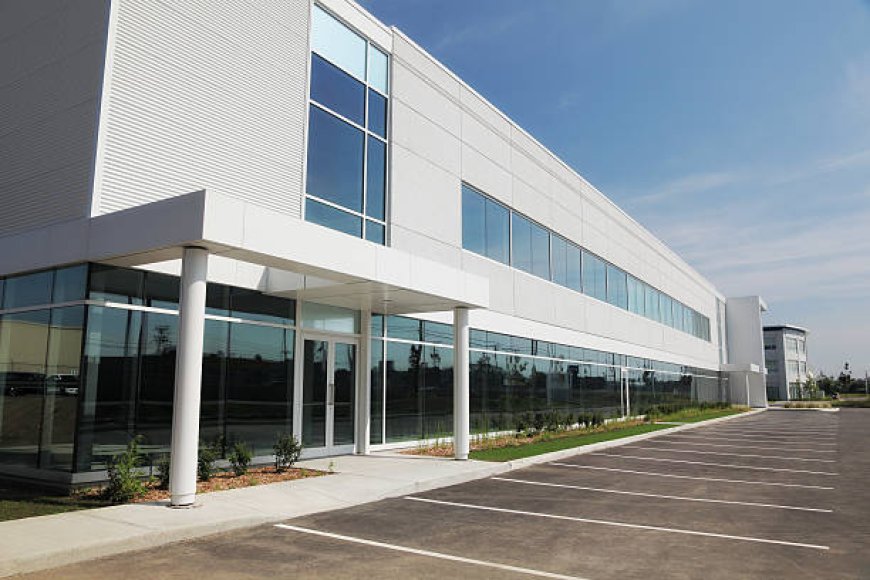
Commercial property location, alongside its management and upkeep practices, determines a company's business success in today's market. Industrial property management functions as an essential factor that keeps commercial spaces operating efficiently and without interruptions. A successful business needs appropriate management of both owned and leased commercial industrial buildings. The following discussion determines how industrial property management enables business expansion.
What Is Industrial Property Management?
Industrial real estate management represents the set of activities that involve industrial estate supervision and maintenance procedures. Managers take care of industrial real estate properties, including warehouses together with manufacturing plants and distribution centers, as well as commercial facilities used for industrial needs. Property managers dedicated to industrial facilities maintain operational readiness and safety standards that support their business occupants.
Industrial property managers are responsible for carrying out multiple essential responsibilities in their field.
The duties of industrial property managers directly affect business efficiency because they perform various responsibilities to enhance organizational profitability. Their duties typically include
The responsible manager arranges property maintenance alongside addressing critical issues that affect HVAC systems, plumbing, and building structures.
Industrial property professionals maintain two-way communication with tenants whenever applicable to handle their demands along with building a strong relationship.
The management team oversees lease agreements and implements lease renewals alongside their responsibility to maintain tenant compliance with lease terms.
For property operations, the manager ensures that it meets all necessary local safety regulations along with health conditions and environmental standards.
The Connection Between Industrial Property Management and Business Growth
1. Cost Efficiency and Savings
An industrial property that undergoes proper management will produce substantial savings for its owner. Industrial property managers specialize in facility management which enables efficient operations while minimizing waste along with superfluous costs. Regular maintenance practices preserve both equipment reliabilities through delayed large-scale repairs and energy conservation through the reduction of operational costs hence producing lasting financial benefits. The National Association of Realtors (NAR) documents show that businesses achieve 30% savings in operating costs through competent property management approaches.
2. Increased Productivity and Efficiency
The quality of your business premises creates direct effects on your operation of enterprise and market services. A well-kept facility enables employees to conduct their work both efficiently and safely. A warehouse with proper organization enables smoother workflows, which cuts down operational delays to boost productivity rates. According to the International Facility Management Association (IFMA), in 2018 a study detailed that companies obtaining effective maintenance for their workplaces might see employee productivity boost 12-15% higher.
Industrial property managers who optimize space planning produce areas that deliver peak operational effectiveness. Processing facilities and storage parks need optimized space because it directly influences operational effectiveness.
3. Enhancing Business Reputation
The assessment your commercial industrial property makes on appearance along with maintenance standards forms an essential element in establishing the reputation of your business. Business partners alongside customers and suppliers will develop positive impressions of a facility that maintains cleanliness along with organization and proper upkeep. When you maintain superb property appearance and upkeep it enables you to improve your business ties while landing superior contracts as well as open fresh prospects. Academic research by the Building Owners and Managers Association (BOMA) demonstrates that organizations under professional management receive increased business interest while maintaining elevated levels of tenant contentment.
4. Compliance and Risk Management
Industrial businesses must fulfil mandatory safety requirements and all zoning standards along with meeting environmental regulations to stay in compliance. Not maintaining compliance with standards leads companies to experience legal consequences alongside financial penalties and negative effects on their corporate recognition. Industrial property management enables businesses to satisfy all mandatory legal requirements and regulatory needs therefore saving them from legal repercussions. Businesses typically deserve $4 to 6 dollars in savings for each dollar they invest toward enhancing their safety protocols according to records from the Occupational Safety and Health Administration (OSHA).
The Role of Technology in Industrial Property Management
1. Real-Time Monitoring and Data Analysis
The digital period requires property managers to implement technological solutions to improve their service delivery. The software systems enable property managers to track facility conditions as they occur and evaluate energy data along with their maintenance tracking activities. This technology-based approach enables organizations to detect matters of concern which prevents them from developing into full-scale problems so they can base their choices on factual evidence.
Building automation notifies property managers about HVAC unit malfunctions and water leakage so they can prevent both extensive damage and operational interruptions. The preventive strategy allows companies to maintain an edge and operation efficiency.
2. Remote Management Capabilities
With current technology industrial property managers can conduct remote facility management which provides them operational flexibility while minimizing their requirement to check sites in person. The central location lets managers control all company facilities when they need to monitor multiple sites at once.
Conclusion:
The successful management of industrial properties extends beyond structural maintenance because the property needs to align with and boost business operations. The development of business growth depends significantly on industrial property management which focuses on cost reduction while optimizing productivity and maintaining positive reputation and compliance with modern technology applications. When you have a commercial industrial property or want better management of your present facility an experienced property manager will help your business succeed. Higher quality facilities positively influence your potential for lasting business achievement.